first-aid kit
The first-aid kit appears as a vital but limited resource in the post-apocalyptic landscape of The Road, a small plastic case recovered from the wrecked sailboat Pájaro de Esperanza that briefly expands the man's capacity to address injury and illness. Its contents—aspirin, bandages, disinfectant, a suture needle with silk thread, a clamp, and scissors—represent a fragile remnant of the medical knowledge and technology of the vanished world, but the kit's limitations are as significant as its contents, forcing the man to improvise and to confront the inadequacy of even the best tools he can find.
Discovery and Contents
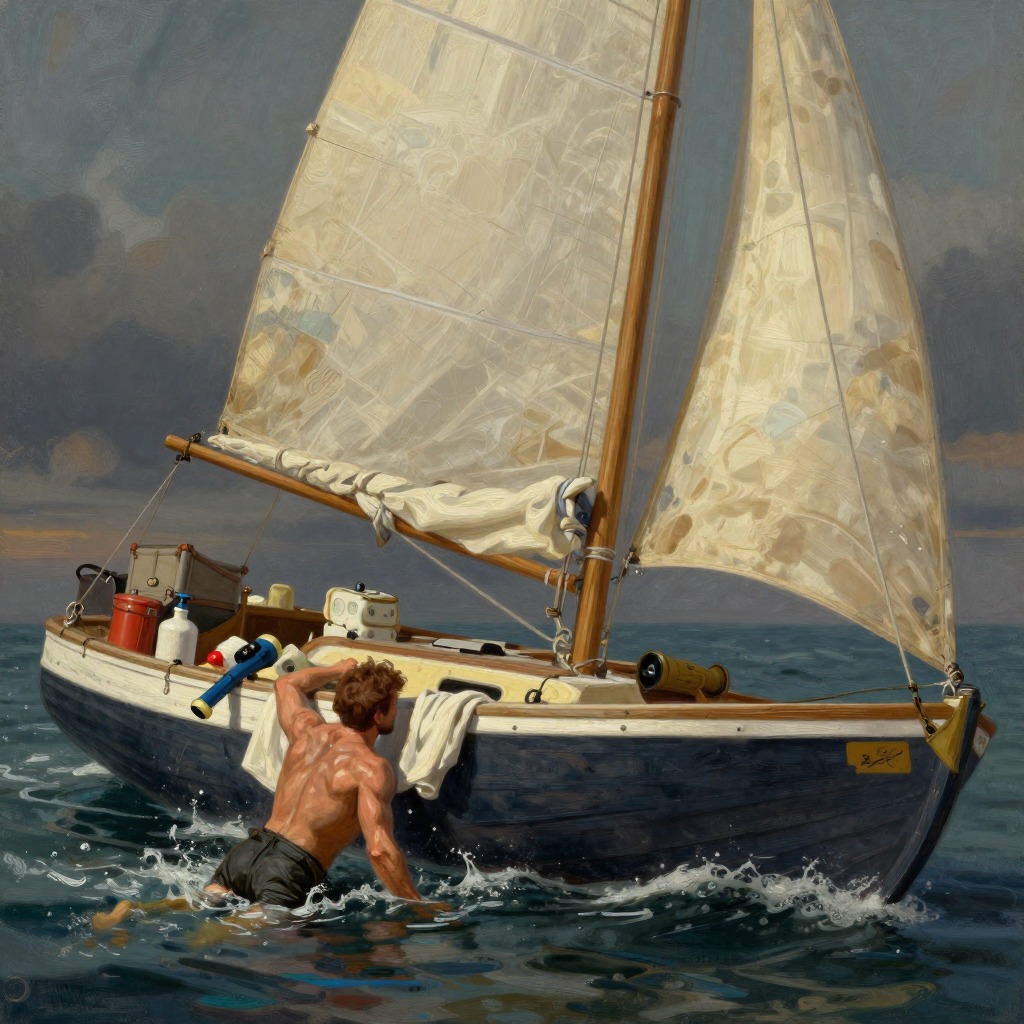
The man discovers the first-aid kit while searching the sailboat Pájaro de Esperanza, which has run aground on the coast. He finds it inside a composite toolbox sealed with black electrical tape, stowed beneath a removable panel in the cockpit alongside a yellow plastic flashlight, an electric strobe beacon, and a flare pistol. The kit itself is a small, portable case, and its contents are standard: aspirin, bandages, disinfectant, and a small envelope containing a curved suture needle and a coil of silk thread, along with a clamp and scissors. The man's discovery of the kit is part of a larger scavenging effort that yields clothing, rope, a gas bottle, and a sextant, but the medical supplies are immediately recognized as precious. The kit's antibiotics, however, have a short shelf life, a detail that underscores the decay of all manufactured goods in this world.
Use in Treating the Man's Leg Wound
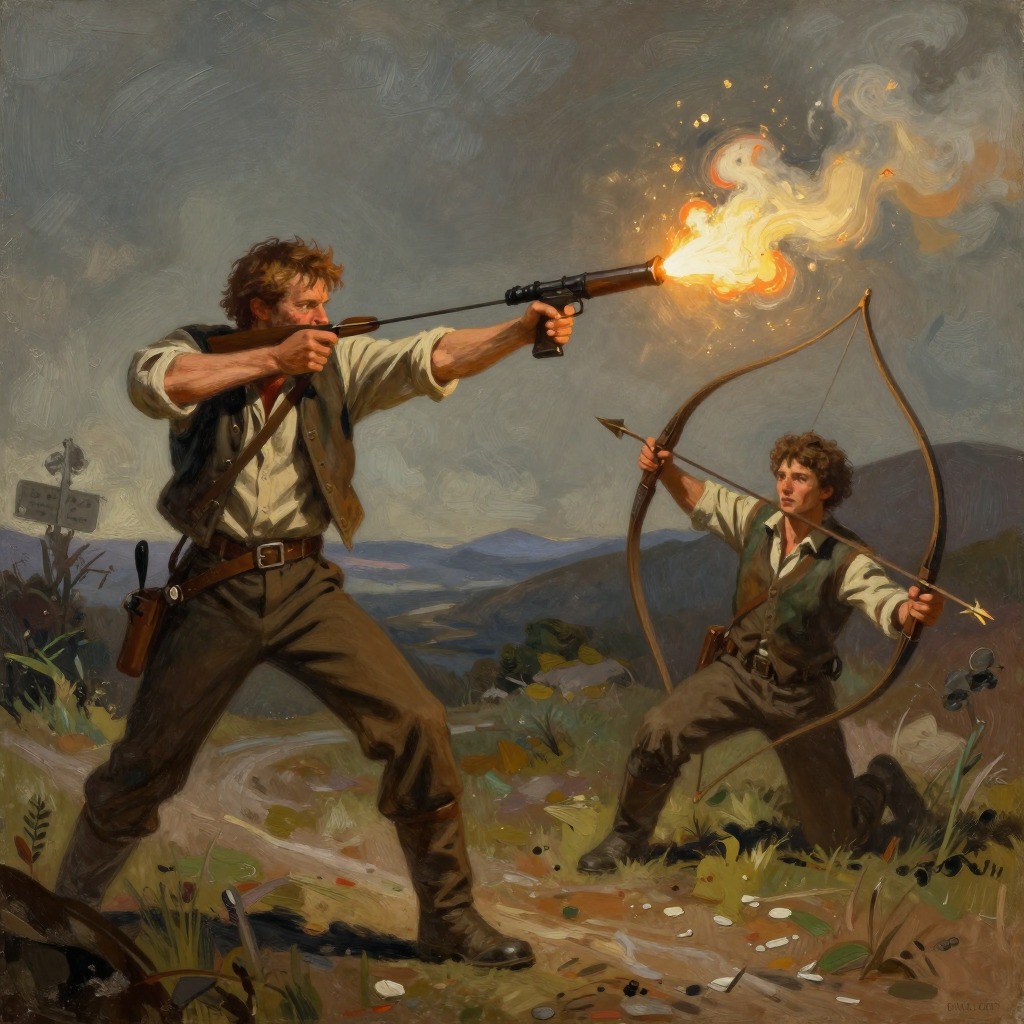
The first-aid kit's most dramatic application comes after the man is shot with an arrow by an archer in a coastal town. The homemade broadhead, beaten out of strapiron, cuts a three-inch gash just above his knee, deep and bleeding heavily. After fleeing to a store building and barricading the door, the man retrieves the kit and, by the light of a gas burner, performs surgery on himself. He pours water over the wound, swabs it with disinfectant, and then threads the suture needle with the silk thread, using the clamp to hold the needle. He works quickly, taking no great pains, and sutures the wound closed, cutting the silk with the scissors from the kit. The boy watches, and the man tells him he does not have to look. The wound throbs and becomes swollen and discolored, but the sutures hold. Days later, when the man judges the wound has healed enough, he sits in the road, uses the clamp to pull the small black threads from his skin one by one, and tapes gauze over the wound. The kit thus enables a crude but effective medical intervention that prevents the wound from becoming fatal.
Use in Treating the Boy's Fever
Earlier, when the boy falls gravely ill on the beach, the man turns to the first-aid kit in desperation. The boy is burning with fever, vomiting, and too weak to move. The man goes through the kit but finds little of use: aspirin, bandages, and some antibiotics with a short shelf life. Despite the antibiotics' questionable potency, he helps the boy drink and places one of the capsules on his tongue. The kit's limitations are stark: it contains nothing to reduce a high fever effectively, no intravenous fluids, no diagnostic tools. The man is forced to rely on improvised methods—cooling the boy by removing his clothes, washing his clothes in the surf, and crushing aspirin into sugar water. The kit provides a gesture of medical care but cannot substitute for the vanished infrastructure of hospitals and pharmacies.
Thematic Significance
The first-aid kit embodies the broader theme of the fragility of human knowledge and technology in the post-apocalyptic world. It is a relic of a time when medical care was routine and effective, but in the present it is a meager collection of supplies that can only partially address the body's needs. The man's ability to suture his own wound is a skill from the old world, but the kit's limitations—the short shelf life of the antibiotics, the lack of painkillers stronger than aspirin—force him to confront the inadequacy of even the best tools he can find. The kit is a symbol of the world that was lost, a world where a wound could be properly treated and a fever could be broken with modern medicine. In the present, it is a reminder that the man and the boy are sustained not by technology but by their own resilience and by the fragile, improvised care they can offer each other.